
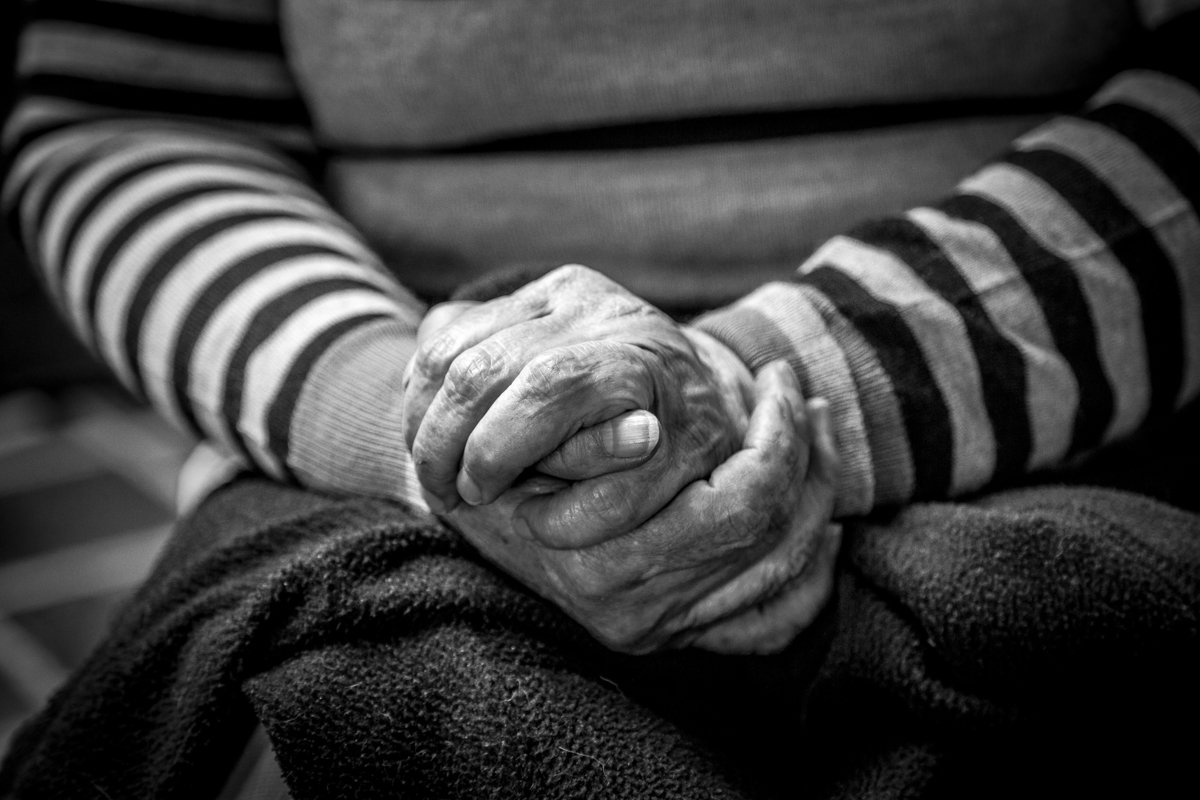
Weathering: When Inequality Becomes Biology
Last month, we discussed how poverty shapes health. This month, we’re going one step further.
We’re talking about how inequality influences health in ways that become embedded in the body.
Public health researcher Dr. Arline T. Geronimus calls this process weathering.
What is Weathering?
Weathering is the physical toll that chronic stress takes on the body over time.
It is not just occasional stress that many of us feel when we have too much going on at work or the kids are all sick at once, and you can’t find a sitter. It is about repeated, sustained activation of the body’s stress response due to structural violence.
Geronimus uses the example of human life in the Savanna. It’s like managing to escape from a Cheetah, but then replaying the escape in your head over and over again. Or perhaps you have escaped so many cheetahs over the years that you are in constant heightened awareness of one coming around the corner to hunt you down yet again. In this example, your physiological stress hormones are never deactivated, even when the threat isn’t real, only perceived.
When we experience stress, our bodies release hormones that help us respond to threats. In short bursts, this system protects us. But when stress is constant, when the anticipation of threat never fully recedes, those stress responses begin to damage the body. This is sometimes referred to as allostatic load, which is the wear and tear caused by prolonged physiological stress.
Over time, weathering can:
- Damage the cardiovascular system
- Disrupt metabolic function
- Dysregulate neuroendocrine systems
- Increase vulnerability to chronic disease
- Accelerate biological aging
Weathering helps explain why some populations experience earlier illness and earlier death, even when individuals are “doing everything right.”
The Myth of Personal Responsibility
Many of us have been taught that health is largely within our control. If we eat well, exercise, climb the ladder at work, and make good choices, we will prosper and stay healthy.
But Geronimus challenges that narrative in her book.
For many marginalized Americans, particularly Black, Latino/a, and indigenous communities, and people living in poverty, “playing by the rules” does not protect health. In some cases, the effort required to do that while navigating discrimination, economic instability, and social surveillance may actually increase physiological stress.
This is where the concept of age-washing comes in.
Age-washing assumes that if we take personal responsibility for our lifestyle, our age will accurately predict our risk of disease and death. It ignores the role of structural racism, classism, and economic exploitation in accelerating aging for some groups.
Structural Violence and Chronic Stress
Weathering does not arise from individual weakness.
It arises from what Geronimus calls structural violence, the overlapping and repeated harms experienced by marginalized groups through systems, policies, and everyday environments.
Chronic stressors may include:
- Economic insecurity
- Housing instability
- Fear of eviction or environmental hazards inside the home
- Workplace powerlessness
- Social “othering” and stereotyping
- Constant vigilance in navigating discrimination
When exposure to these stressors is continuous, the body adapts, but at a cost.
Let’s take Geronimus’ example of the May 2008 ICE raid conducted in Postville, Iowa. They arrested 389 people presumed to be undocumented criminals. In reality, only five of those arrested had criminal records, all non-violent. Nonetheless, the arrested workers were detained, coerced into taking guilty pleas, and sentenced to five months in federal prison before deportation.
The raid left not just the Latino/a community of Postville reeling, but fear spread all across the state of Iowa. The raid fueled an environment of fear, distress, vigilance, and discrimination among Latino/a communities in Iowa for many months. They were always on watch for the next cheetah.
To study the health effects of this type of large-scale social stressor, Dr. Geronimus and her team looked at pregnancy and birth outcomes among Latina women in Iowa in the year following the raid.
Pregnant women who were arrested or had loved ones arrested were more likely to have babies born too small, too early, or both. The researchers also saw ripple effects across the state. In the nine months after the raid (May 2008 to January 2009), the percentage of babies born too small or too early among Latina mothers was higher than any other May-to-January period from 2003-2013. In contrast, the percentage of low-birth-weight babies born to white mothers did not change; it had been declining since 2006 and continued to do so through 2008-09. This difference remained after accounting for other risk factors and demographic trends
The results were stark: the Postville raid and its aftermath had weathering effects among Latino/a communities across Iowa, with near-immediate and wide-reaching health consequences for Latina women and their families.
Geronimus’ research reveals how social stress can translate into real, biological consequences. We see more examples of this today with the ICE raids in Minneapolis and enormous cuts in Medicaid and SNAP benefits, causing fear and stress among marginalized groups who are already weathering at a significantly faster rate than the average white American.
Weathering is Not About “Bad Genes”
Historically, differences in health outcomes between racial groups were often attributed to genetics. But from a genetic standpoint, there are no biological subspecies of human beings. Race is a social construct, not a genetic category.
What differs is exposure.
The environments we live in, the stress we carry, the toxins we are exposed to, and the stability (or instability) of our social conditions all influence how genes are expressed. These environmental exposures shape our observable physical characteristics, including health.
Weathering shifts the conversation away from “What is wrong with this group?” and toward “What has this group been forced to endure?”
Why This Book Matters to CHIRP
At CHIRP, we focus on social determinants of health and health equity because we understand that health is shaped upstream.
Learning more about weathering has helped to deepen that understanding.
It shows that chronic exposure to inequity produces measurable biological harm, that policies and systems can either intensify or reduce physiological stress, and perhaps most importantly of all, that health disparities are not mysteries; they have a pattern.
If we want to improve population health, we cannot limit ourselves to behavior change campaigns or clinical interventions.
We must ask:
- Will this policy reduce chronic stress for the most marginalized?
- Will this program dismantle structural barriers?
- Will this intervention disrupt weathering or reinforce it?
- Do the people we are trying to help have a voice in the changes we are trying to make?
Geronimus reminds us that meaningful social change rarely happens overnight. It is built through sustained effort, careful listening, and policies grounded in lived experience.
If we are serious about health equity, then disrupting weathering must be part of the work.